Fatal Survey
About Fatal Survey: Review, Story & Gameplay
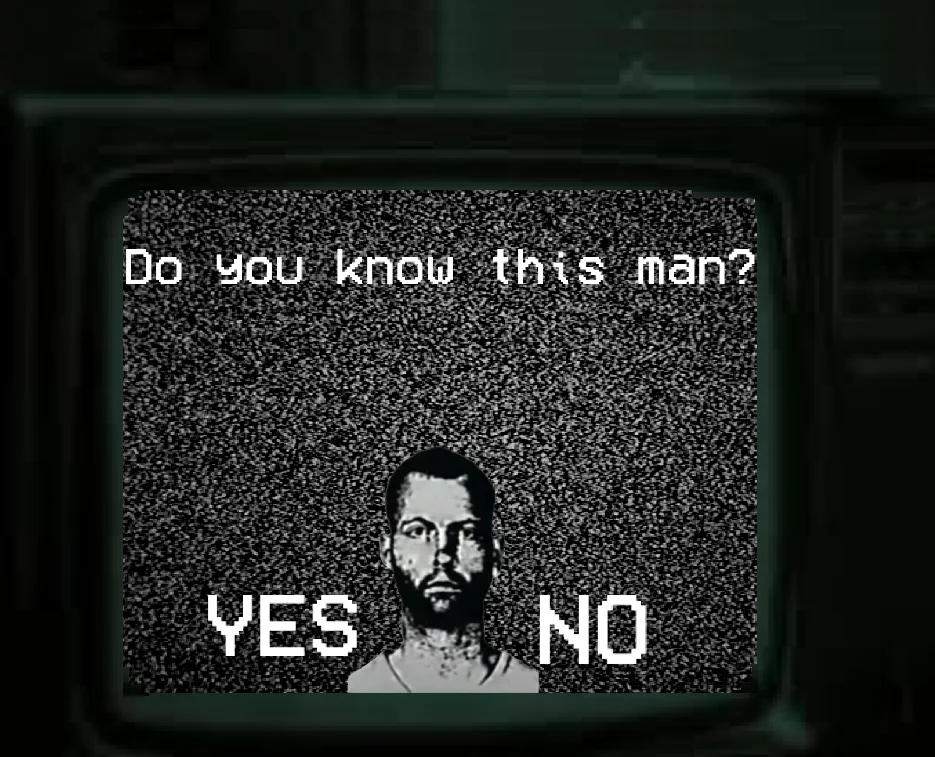
Fatal Survey is a psychological escape horror game built around a survey that becomes increasingly difficult to treat as ordinary. What begins as a sequence of questions develops into a bizarre story filled with uncomfortable choices, environmental clues, and puzzles that ask you to look beyond the obvious answer. The game is a natural fit for Fatal Survey game, Fatal Survey walkthrough, Fatal Survey answers, and Fatal Survey ending explained searches.
Read the Survey as Evidence
Do not rush through the questions. The wording, order, and reaction to an answer can all carry information about the situation around you. If the game gives you a chance to inspect the room or interface, look for changes before moving to the next prompt.
Explore the Strange Story
Fatal Survey uses an unusual narrative structure, so the connection between one scene and the next may not be explained immediately. Pay attention to repeated images, phrases, sounds, and objects. When a new area appears, compare it with what you saw earlier instead of assuming it is unrelated.
Solve Puzzles Without Guessing
Look for codes, visual patterns, item interactions, and environmental changes before trying random answers. If a mechanism does not respond, return to the last place where the story changed and inspect it again. Write down a sequence when the game presents one.
The first ending may leave important questions open. Replay after you understand the survey's tone, then choose a different response at a major turning point and compare the final scenes. Fatal Survey is most effective when you let the strange details accumulate and then use them to interpret the ending.
How to Play Fatal Survey
How to Play:
- Read each survey question carefully and consider the wording before answering.
- Inspect the room, interface, and background for clues between prompts.
- Remember repeated phrases, symbols, sounds, and changes in the environment.
- Search for codes, patterns, and usable objects before guessing at a puzzle.
- Revisit the last changed area when progress stops or a mechanism will not respond.
- Finish one route, then replay with a different major answer to compare the endings.