Scary Shawarma Kiosk: The Anomaly
About Scary Shawarma Kiosk: The Anomaly: Review, Story & Gameplay
Scary Shawarma Kiosk: The Anomaly turns a routine food-service shift into first-person survival horror. Customers arrive at your window expecting correctly prepared shawarma, but not every visitor is human. You must keep the kiosk running, study unusual behavior, and react before an anomaly crosses the counter.
Serve Food, Watch the Street
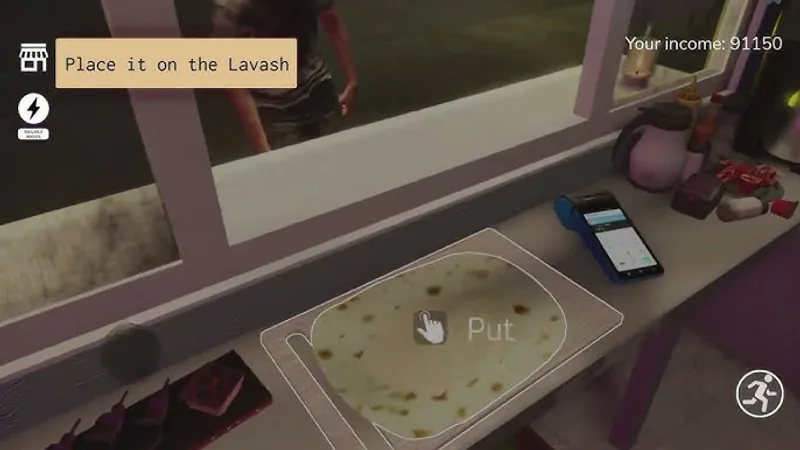
Assemble each order from the requested ingredients, hand it over, and keep the workspace under control. Between customers, check the camera system and pay attention to faces, voices, movement, and events outside. Normal guests should be served; suspicious visitors may require you to close the shutter or follow a special safety instruction. Repeated mistakes can attract the Inspector and bring the shift to a sudden end.
Night-Shift Horror
- Hands-on shawarma preparation inside a detailed first-person kiosk.
- Ordinary customers mixed with visual, behavioral, and environmental anomalies.
- CCTV and night-vision tools for checking threats beyond the serving window.
- Sudden events, multiple outcomes, and clues hidden in customer dialogue.
- A balance of speed, accuracy, and careful observation.
Do not classify someone from one detail alone. Confirm the order, inspect the customer, and use the cameras before making a risky decision.
How to Play Scary Shawarma Kiosk: The Anomaly
How to Play:
- Use WASD or the arrow keys to move and the mouse to look around.
- Press E when prompted to pick up ingredients, use equipment, and serve customers.
- Follow the order ticket and place ingredients in the correct sequence.
- Press Q when the game prompts you to release or recapture the mouse cursor.
- Use the CCTV and night-vision controls shown on screen to inspect the street and suspicious visitors.
- Serve normal customers, close the shutter or follow the safety rule for anomalies, and avoid repeated mistakes.